The Bachelor of Vocation (B.Voc) in Radiology and Medical Imaging Technology is a specialized undergraduate program that prepares students for a dynamic and in-demand career at the intersection of healthcare and advanced medical technology. As modern hospitals and diagnostic centers increasingly rely on imaging technology to detect diseases, assess injuries, and guide clinical decisions, the need for skilled radiology professionals has never been greater. This program at AHT College combines strong theoretical foundations with hands-on clinical training, equipping students with the expertise to operate imaging equipment, maintain patient safety, and produce accurate diagnostic images that support critical medical decisions. From X-rays and ultrasounds to advanced imaging modalities, students gain practical exposure across real healthcare settings, building the confidence and competence needed to thrive in hospitals, diagnostic centers, and specialty healthcare institutions. If you are a science student looking for a focused, future-ready career in healthcare technology, B.Voc Radiology and Medical Imaging Technology at AHT College is the right place to start.
The B.Voc in Radiology & Medical Imaging Technology curriculum is designed to build core technical competencies alongside clinical exposure:
Candidates should have completed 10+2 (or equivalent) from a recognized board with a science background including Physics, Chemistry, and Biology.
Candidates are required to have a minimum aggregate score of 45% to 50% in their 10+2 examinations.
Entrance examinations may be conducted to assess aptitude and knowledge. Admission might be based on the results of these exams.
Follow our unified sequence steps to verify details online quickly.
Step - 1
Step - 2
Step - 3
Below is the complete fee structure for the B.Voc in Radiology & Medical Imaging Technology programme. All amounts are in Indian Rupees (INR).
| Fee Type | Year 1 | Year 2 | Year 3 | Total |
|---|---|---|---|---|
| Tuition Fee | ₹70,000 | ₹70,000 | ₹70,000 | ₹2,10,000 |
| Registration Fees (One Time) | ₹1000 | — | — | |
| Total Fees | ₹71,000 | ₹70,000 | ₹70,000 | ₹2,11,000 |
Note* — Per Semester Examination Fees are ₹1000/- payable each semester. A Security Deposit of ₹5,000/- (one-time, fully refundable) is also applicable at the time of admission. All fees mentioned above are subject to change as per university norms.
The B.Voc Radiology and Imaging Technology program is designed to develop the technical and clinical skills needed in modern diagnostic departments. Students gain practical experience with imaging systems, patient handling, radiation safety, and diagnostic procedures used in hospitals and diagnostic centers.
Students looking for an industry-focused imaging technology course often seek programs that offer practical experience alongside academic learning. The B.Voc in Medical Imaging Technology at AHT College emphasizes developing job-ready skills that meet current healthcare industry needs.
Many students starting a radiology imaging technology course think the job is all about operating machines. In reality, diagnostic imaging involves a structured workflow that directly affects patient care.
A Typical Imaging Procedure Includes
Even a small error in positioning can impact diagnostic accuracy. This is why hospitals value professionals who understand the entire imaging workflow, not just equipment operation.
One major advance in radiographic technology has been the shift from traditional film-based imaging to digital systems.
Digital Radiography has changed modern diagnostic departments by allowing immediate image acquisition and faster reporting workflows.
Computed Radiography also plays a key role in many healthcare settings. CR systems use imaging plates that convert radiographic information into digital images.
An imaging technician does much more than operate diagnostic equipment. Hospitals rely on imaging professionals to ensure patient safety, image quality, and smooth workflow.
These tasks require technical knowledge, practical skills, communication abilities, and a strong commitment to patient care.
Students get hands-on experience with Digital Radiography systems, image processing software, and imaging workflows used in today’s healthcare settings.
Training sessions teach students about computed radiography systems, handling imaging plates, and quality assurance.
Practical classes focus on techniques for positioning patients during chest, spine, extremity, and specialized imaging exams.
Students learn about radiation protection, exposure control, and safety standards used in professional healthcare environments.
Exposure to advanced imaging techniques helps students understand procedures beyond standard radiography.
Students complete supervised hospital training, working alongside radiologists, technologists, and healthcare professionals in real clinical situations.
Healthcare systems across India are expanding, increasing the need for qualified imaging professionals.
A B.Voc in Radiology and Medical Imaging Technology provides a practical, industry-focused approach to healthcare education. Unlike programs that prioritize theory, this course prepares students for real clinical environments through lab training, hospital exposure, and supervised internships.
The B.Voc Radiology and Imaging Technology syllabus addresses modern healthcare needs by covering anatomy, radiographic techniques, radiation physics, medical imaging equipment, pathology, radiation safety, patient care, ethics, and clinical training.
For students aiming for a career in diagnostic healthcare, B.Voc Radiology and Imaging Technology offers the knowledge, skills, and confidence needed to succeed in one of healthcare's most technology-driven fields.
Graduates of the B.Voc in Radiology & Medical Imaging Technology program have a wide range of career opportunities in the healthcare industry:
Operate and maintain imaging equipment such as X-ray, CT scan, and MRI machines while assisting physicians in diagnosing and treating patients.
Perform magnetic resonance imaging (MRI) scans and ensure patient safety and comfort during imaging procedures.
Operate computed tomography (CT) scanners to produce detailed cross-sectional images for medical diagnosis.
Use ultrasound equipment to capture images of internal organs and body structures for diagnostic evaluation.
Administer radiation treatments to cancer patients under the supervision of radiation oncologists.
Prepare and administer radioactive materials for diagnostic imaging and therapeutic procedures.
Provide technical support, maintenance, and sales assistance for medical imaging equipment and technologies.
Manage imaging departments, oversee quality assurance, and ensure compliance with healthcare regulations.
Assist physicians during minimally invasive image-guided procedures using advanced imaging equipment and ensuring patient care and safety.
Trusted diagnostic centres and imaging institutes that actively hire our graduates across India.



Our graduates are making an impact across leading hospitals, diagnostic chains, and imaging centres throughout India. With dedicated placement support and real-world clinical training, our students step into careers with confidence from day one.
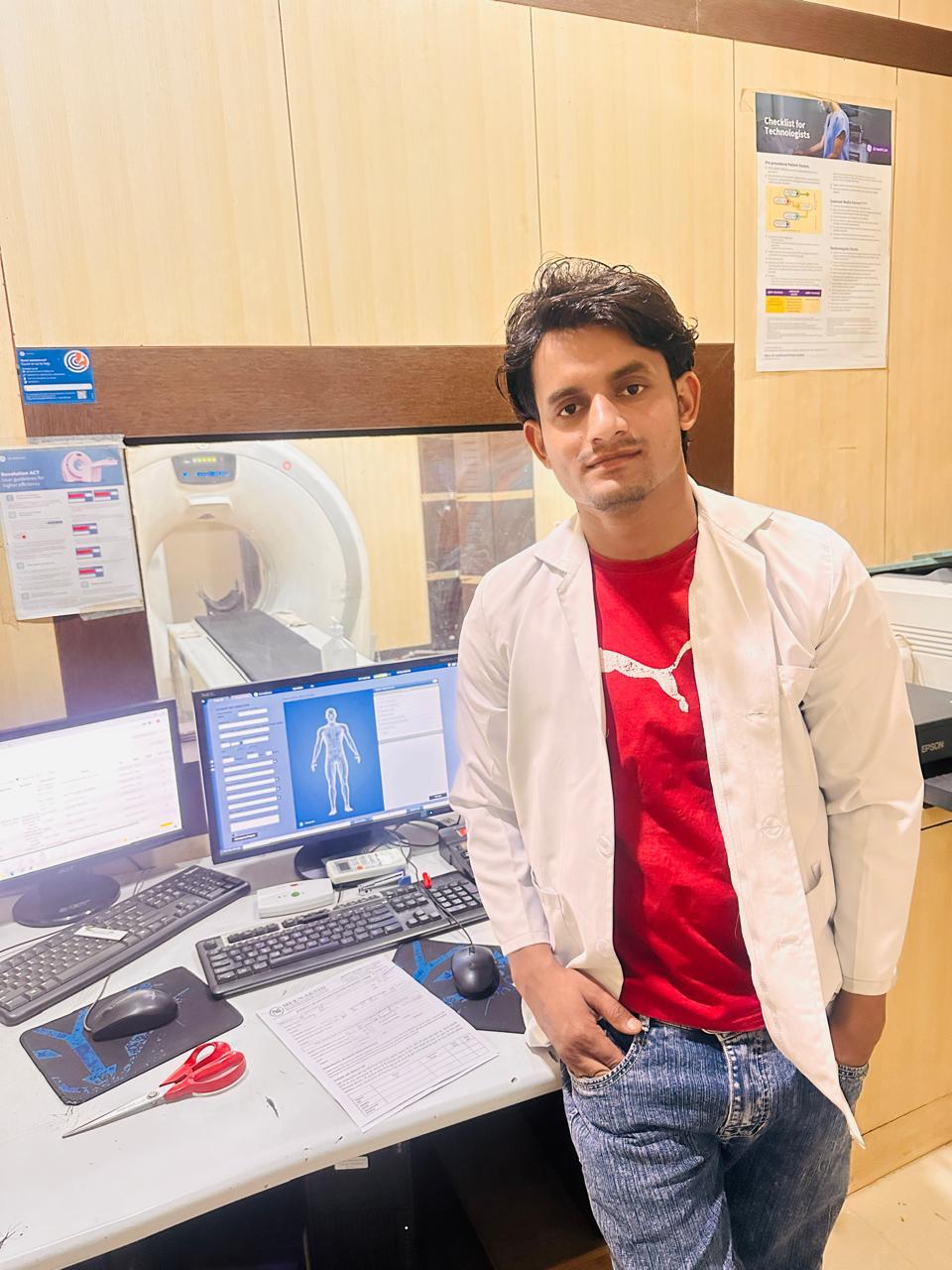 Placed
Ankit Sharma
B.Voc in RMIT
Batch 2023
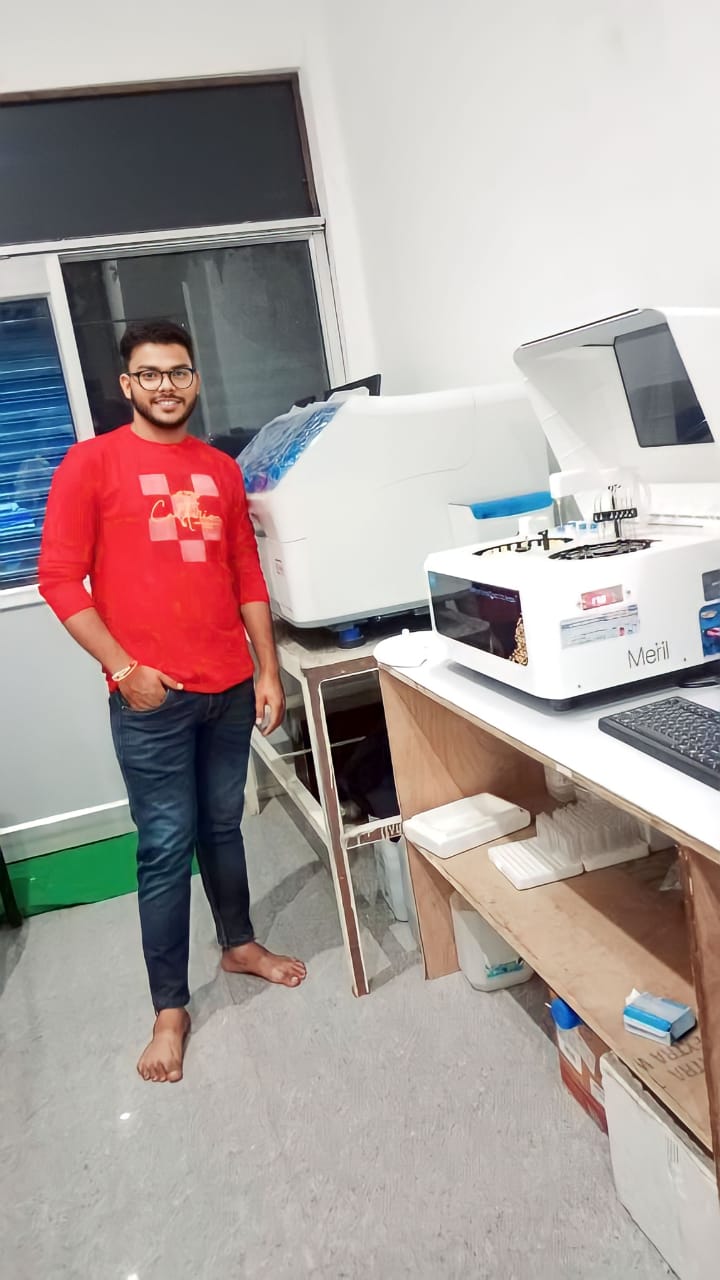 Placed
Mahesh
B.Voc in MLT
Batch 2022
 Placed
Aakash
B.Voc in RMIT
Batch 2022
 Placed
Harveer
B.Voc in OTT
Batch 2024
 Placed
Nagesh
B.Voc in OTT
Batch 2022
 Placed
Vishnu
B.Voc in OTT
Batch 2024
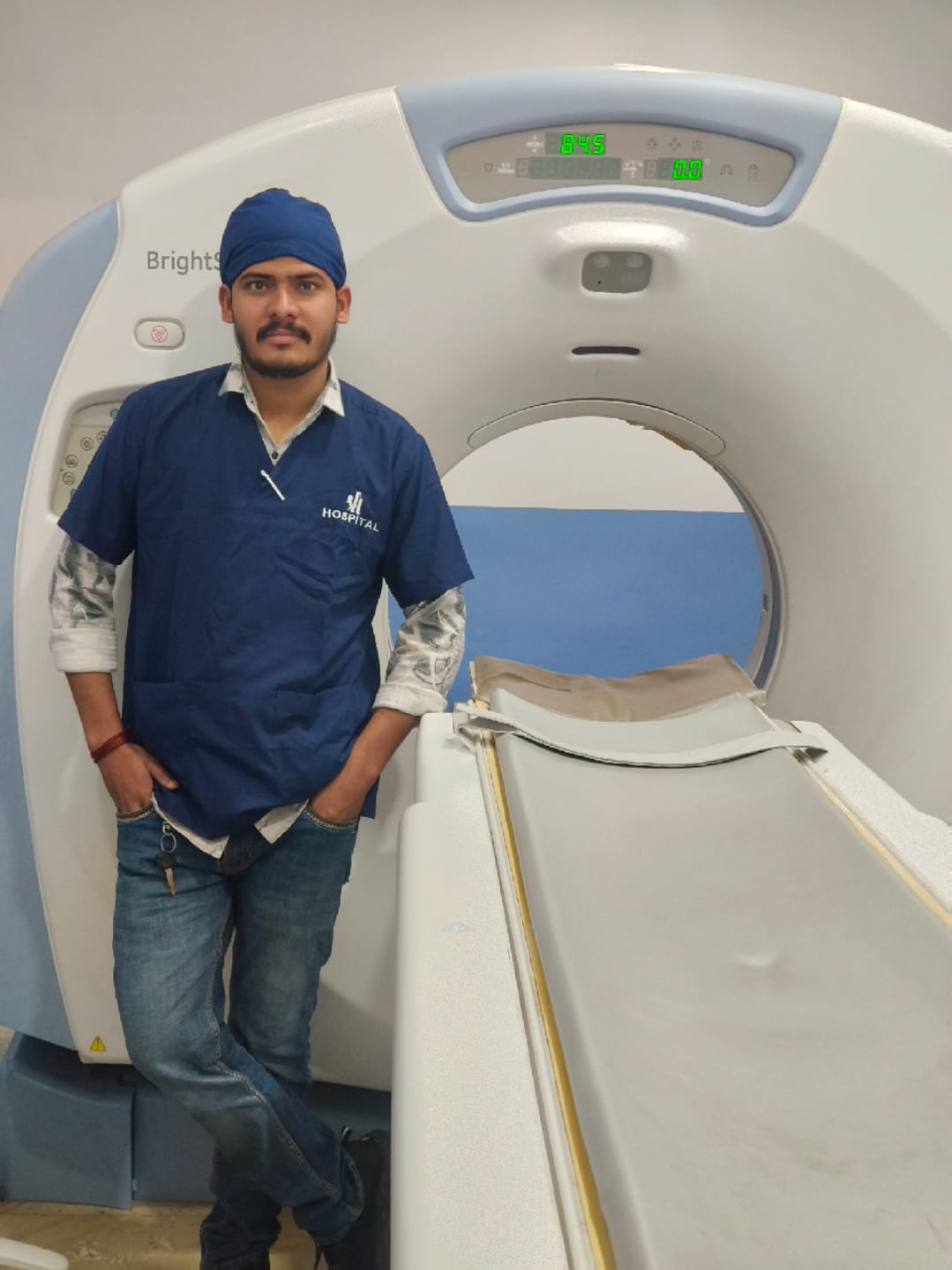 Placed
Surrender Puri
B.Voc in RMIT
Batch 2025
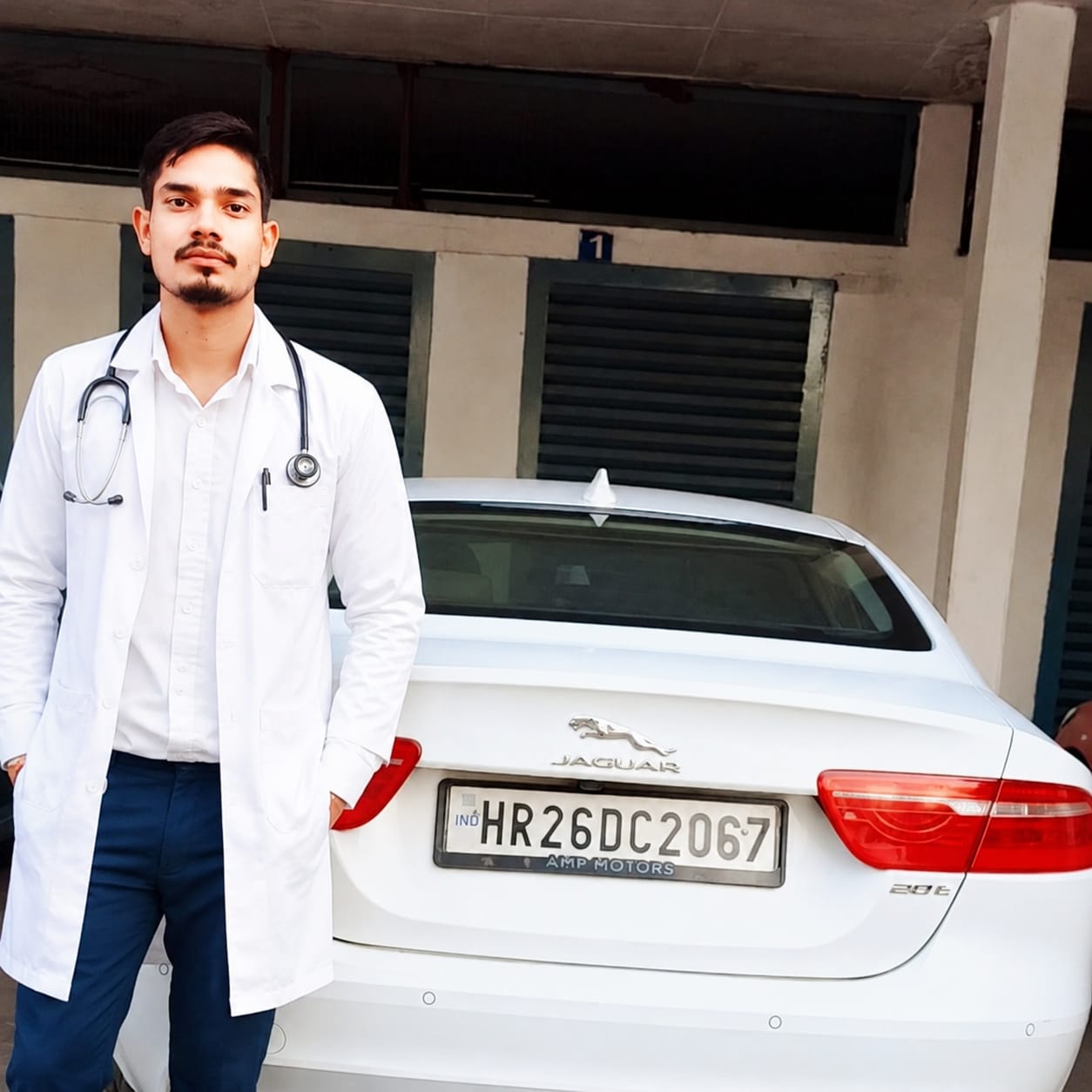 Placed
Yashivender
B.Voc in RMIT
Batch 2022
B.Voc Radiology and Medical Imaging Technology is a 3-year vocational degree program that combines classroom learning with practical hospital training. The course prepares students to work with diagnostic imaging technologies used in hospitals and healthcare facilities.
Yes. B Voc Radiology offers career opportunities in hospitals, diagnostic centres, imaging laboratories, trauma centres, and specialty healthcare facilities. The growing use of diagnostic imaging continues to increase demand for skilled professionals.
Students learn digital radiography, computed radiography, patient positioning, radiation safety, imaging equipment operation, image quality assessment, and clinical procedures through practical training and hospital exposure.
B.Sc Radiology focuses more on academic learning, while B.Voc Radiology emphasizes skill development, practical training, industry exposure, and job-oriented healthcare education.
Graduates can work as Imaging Technicians, Radiology Technicians, X-Ray Technicians, CT Scan Assistants, MRI Assistants, and Diagnostic Imaging Technicians in hospitals and diagnostic centres.
The future scope is promising due to the increasing demand for diagnostic imaging services, expanding healthcare infrastructure, digital radiography systems, and advanced medical imaging technologies.
A B.Voc in Radiology & Medical Imaging Technology is an excellent choice for individuals interested in a rewarding career in healthcare. This program provides students with the necessary knowledge and practical skills to excel in various roles within the field of medical imaging, offering promising career prospects in the healthcare industry.
Enroll for Course